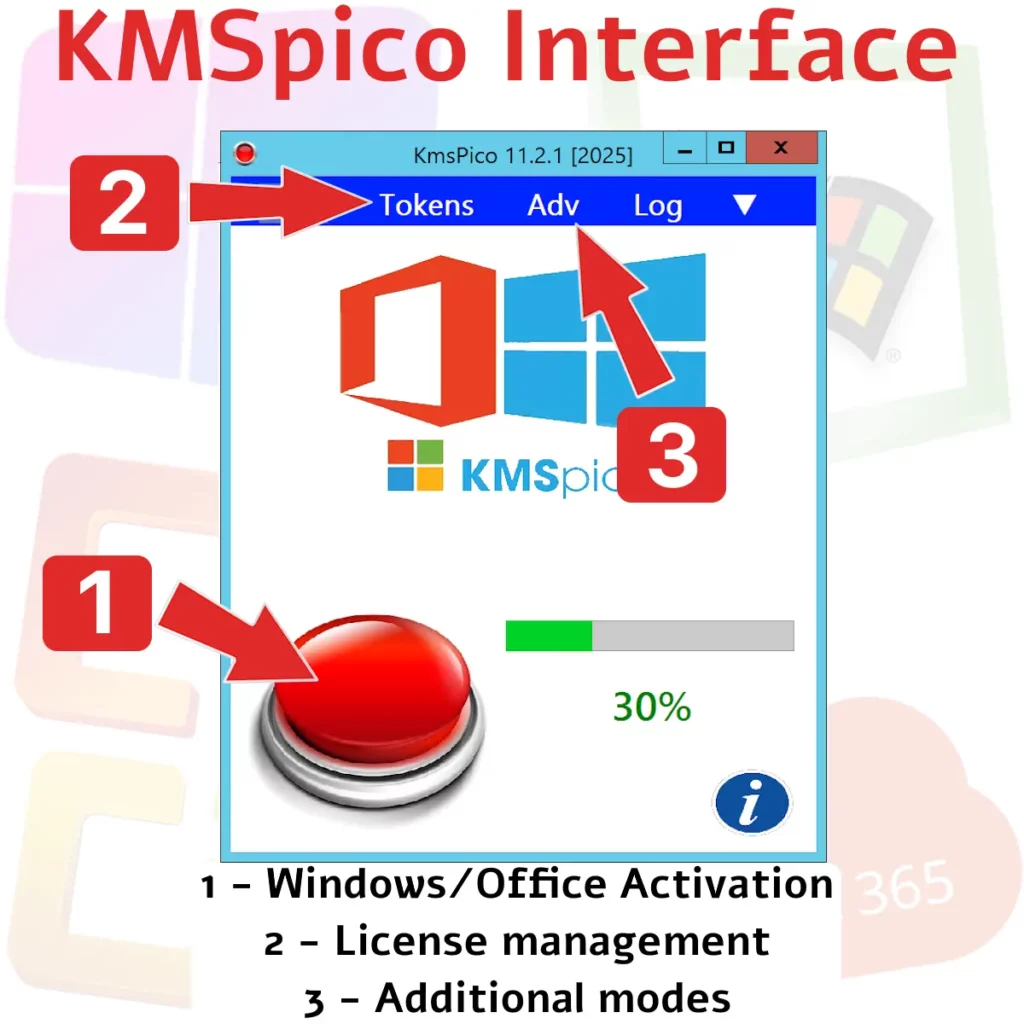
In the complex world of software licensing, compliance is not just a legal requirement but a necessity for any organization that utilizes digital tools. With the rise of unauthorized activators like kmspico download, companies face new challenges in maintaining proper licensing protocols. This article explores critical aspects of software licensing compliance and sheds light on how certain decisions can impact your business operations. Ensuring that your software environment remains lawful and secure is essential to protect both the integrity of your systems and the reputation of your organization.
The Allure and Risks of KMSpico Download
The popularity of kmspico download stems from its ability to activate Windows and Office products without a legitimate license. While this might seem like an attractive option for cost-cutting, using such unauthorized activation tools can expose your organization to significant risks. Besides the obvious legal consequences, there are security concerns associated with using unverified software obtained through illegal downloads. Malware infections and data breaches are common occurrences resulting from such practices, potentially costing more in damages than legitimate licensing would have.
Understanding KMS and Its Legitimate Use
KMS, or Key Management Service, is a legitimate Microsoft service used by businesses to manage volume licensing for their software products. It allows companies to automate activation across multiple devices within an organization. Unlike the illegal usage of kmspico descargar, KMS activator is designed to ensure compliance while simplifying the license management process. The correct use of KMS ensures that all software remains updated and secure, providing peace of mind that only licensed products are in use.
Protecting Your Organization from Illegal Downloads
Companies must implement robust policies to safeguard against the illegal use of tools like kmspico download. This includes regular audits, employee training programs, and stringent access controls. By understanding the differences between legal tools such as kms activator provided by Microsoft and pirate software, organizations can protect themselves from potential legal repercussions. Educating employees on these differences helps foster a culture of compliance and vigilance against unauthorized software installations.
Implementing Strong Compliance Measures
A well-defined compliance strategy involves several key elements. These range from selecting authorized activation solutions to monitoring usage patterns. In environments where virtual machines (VMs) are used frequently, configurations such as “VM 2 vCPU / 4 GB RAM” should be managed carefully to avoid any compliance breaches stemming from improper software activations. Effective policy enforcement ensures that all technological resources align with organizational goals while adhering to legal standards.
The Role of Monitoring Tools in License Compliance
Monitoring tools play an essential role in maintaining compliance. Solutions like Microsoft’s System Center Configuration Manager (SCCM) help track software installations and usage trends across the network. By leveraging such tools, IT teams can quickly identify unauthorized downloads and activations, including those related to kmspico download or other variants. These insights enable proactive measures against non-compliance issues before they escalate into major problems. For guidance on critical decisions regarding license compliance, visit the official website at https://www.kmspico.lc/ for helpful resources.
Navigating Licensing Challenges with Windows 11 Activator Protocols
With the release of new operating systems like Windows 11, organizations need to stay informed about changes in licensing requirements. Proper windows activation methods should be adopted promptly to prevent any lapses in compliance. The misuse of activation tool alternatives like kmspico download could lead to severe penalties if not addressed appropriately. Keeping abreast of updates ensures seamless transitions while maintaining lawful operations.
- Ensure all employees are educated about the risks associated with pirate software.
- Regularly update your list of approved activation tools and distribute it among staff.
- Conduct periodic reviews of all activation processes within your organization.
- Implement automated alerts for any unauthorized installation attempts detected within company systems.
- Engage with reputable vendors for advice on best practices for license management and renewal strategies.
Best Practices for Ensuring Software License Compliance
Adhering to best practices is crucial for maintaining compliance effectively. Begin by cataloging all software assets using inventory management systems that align with your organization’s scale and scope. Conducting regular audits will also pinpoint any discrepancies between licensed and installed software versions. These audits serve as preventative measures ensuring early detection and resolution of potential violations or outdated licenses.
Utilizing Concrete Tools and Commands for Compliance Verification
It is essential to integrate reliable commands such as DISM (Deployment Image Servicing and Management) within your compliance checks. These allow you to verify installations against policy requirements efficiently. Setting up snapshot timings for auditing purposes — for example, quarterly reviews — ensures that you keep abreast with evolving threats posed by unauthorized accesses or illegal downloads like kmspico download. Such diligence pays off by minimizing risks associated with non-compliance incidents.
The Importance of Investing in Authorized Activation Solutions
While shortcuts like kmspico download may appear cost-effective initially, investing in legitimate office activator licenses ultimately saves time and resources while reducing risk exposure. Aligning with trusted vendors guarantees support during updates or when troubleshooting issues that arise due to broken activations caused by unapproved methods. This investment is not merely financial; it represents a commitment to ethical practice and sustainable growth.
Conclusion: Making Informed Decisions
The decision to maintain license compliance goes beyond mere adherence; it’s about fortifying business operations against potential pitfalls associated with misuse of technology licenses. Understanding tools available legally versus opting for illegal methods like kmspico download can make a significant difference between seamless functionality and costly disruptions. Organizations must weigh immediate savings against long-term consequences when considering their approach toward license management.
For organizations aiming at sustainable growth without jeopardizing legal standings or operational integrity, prioritizing robust compliance strategies remains imperative amidst rapidly changing technological landscapes. By fostering a culture grounded in legality and ethical responsibility, businesses can navigate complexities confidently while securing their technological futures.